Happy Monday!
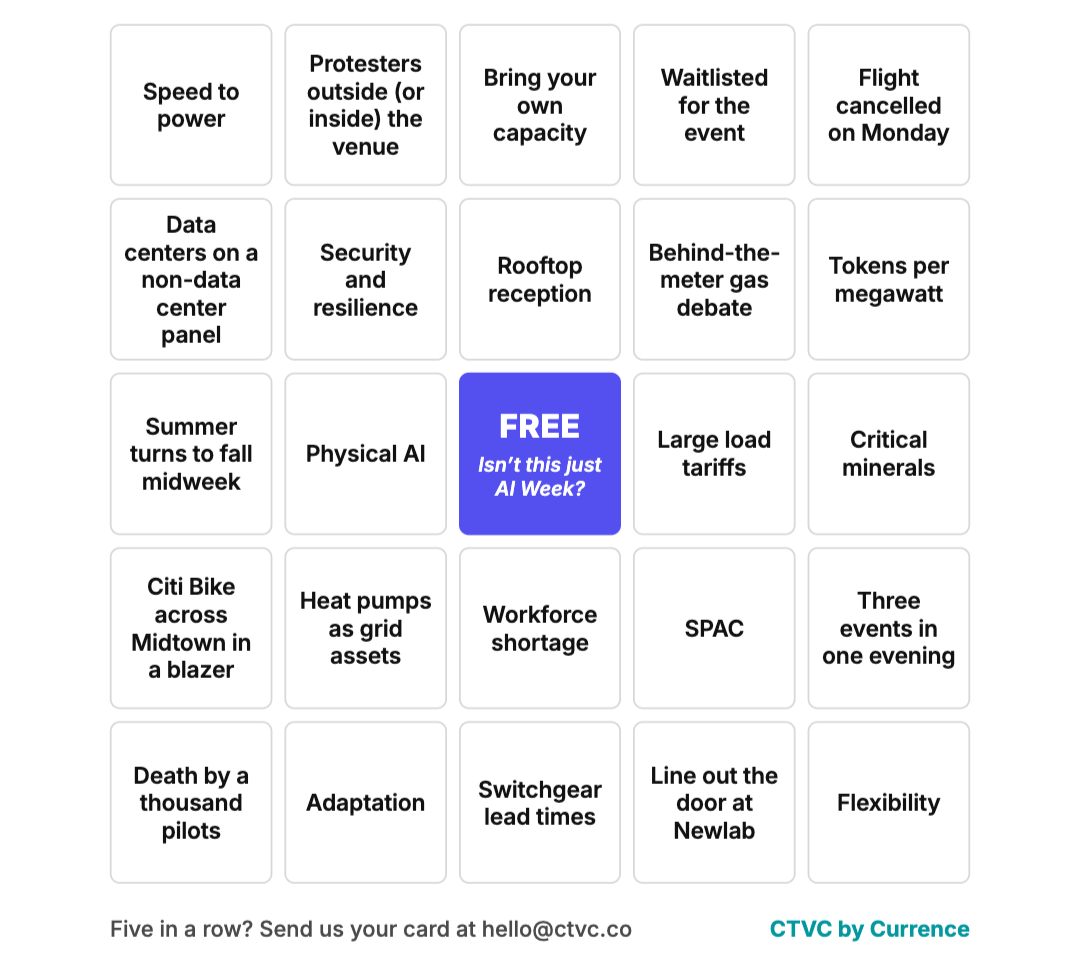
It was great to see so many of you throughout NYCW. We've got our classic recap below, plus a bingo card for anyone still recovering, but we're keeping the rest light.
In deals, $189m for renewables-powered AI cloud data centers in Helsinki, $100m for cloud-seeding technology in California, and $85m for electric motorcycles in Bengaluru.
Thanks for reading!
Not a subscriber yet?
📩 Submit deals and announcements for the newsletter at [email protected].
💼 Find or share roles on our job board here.
CTVC is powered by Currence, market intelligence to power the AI era.
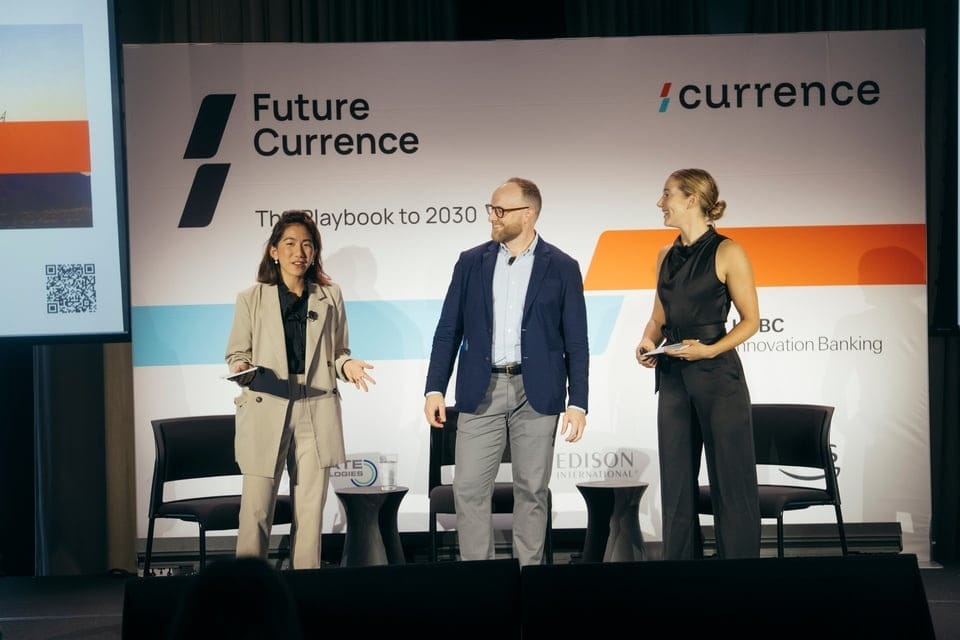
And that's a wrap on New York Climate Week, 2026! We kicked things off Monday by hosting Future Currence, our big flagship NYCW event under a new name, with a room of around 300 people and four utility CEOs, Google's data center lead, Greg Jackson, Tom Steyer, state regulators, and a live podcast recording of Energy Empire onstage.
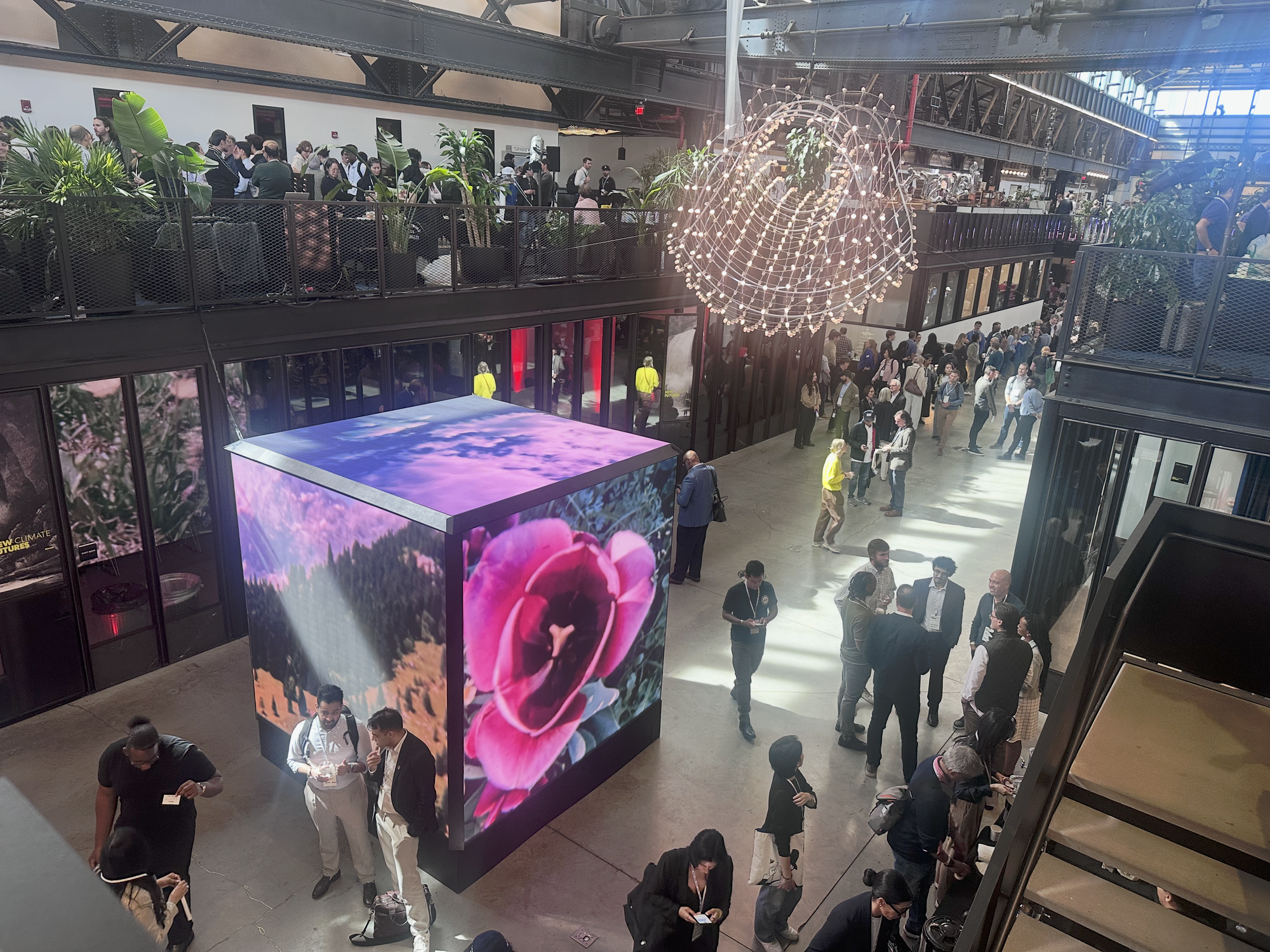
We spent the rest of the week zig-zagging from bank-hosted breakfasts to closed-door roundtables to Newlab demos, on subways and Citi Bikes. And at least the nor’easter waited for the weekend, and the rooftop parties survived!
So let’s get into it. It’s a weird time to be at Climate Week. Nearly every panel acknowledged mounting climate risks, then spent the next 45 minutes on data centers. For the second year running, it felt more like New York AI Week than New York Climate Week, and everyone seemed a little tired of the topic while agreeing you still have to talk about it. But this year, every conversation about data center demand came paired with one about the backlash. Protesters crashed a few events. Utilities remained the talk of the town, with a long line of startups chasing them as buyers. Carbon got far less airtime, though a dedicated contingent kept the flag flying.
And for all the friction, deals got closed, the energy was high, and at points, the pace almost felt like 2021 again. Read on for our top takeaways, but we couldn't catch everything. If your NYCW looked different, tell us at [email protected]. Currence clients can look out for our full summary of NYCW in their inbox and on the platform.
Speakers agreed no single fix wins over a community. One panelist argued host towns need to come away feeling like they hit the jackpot, a scale well beyond today's promises and norms. Waterless cooling, vague job numbers, and future tax revenue don’t feel like enough. Meta's El Paso site, where the company is funding new generation and handing it to the local rate base, came up as a good example, and xAI's diesel Colossus as the cautionary tale. Regulators, meanwhile, urged developers to show up early to tariff proceedings, and some attendees pushed for shared standards to replace one-off community deals.
What we heard:
Utilities got the spotlight and the scrutiny. Large load tariffs are now live in about 34 states, up from virtually none three years ago. But speakers blamed high rates on a regulatory model that rewards building over optimizing, with one comparing it to paying airlines for every plane they buy instead of every passenger they carry.
Bankers see the deal flow, startups see the offtake, and developers see the demand for power. The consensus held that it is effectively unlimited, and that every path leads to bring-your-own-capacity or flexibility. The solutions exist today, but aren’t deployed at scale. And still, the sticking point is accreditation.
What we heard:
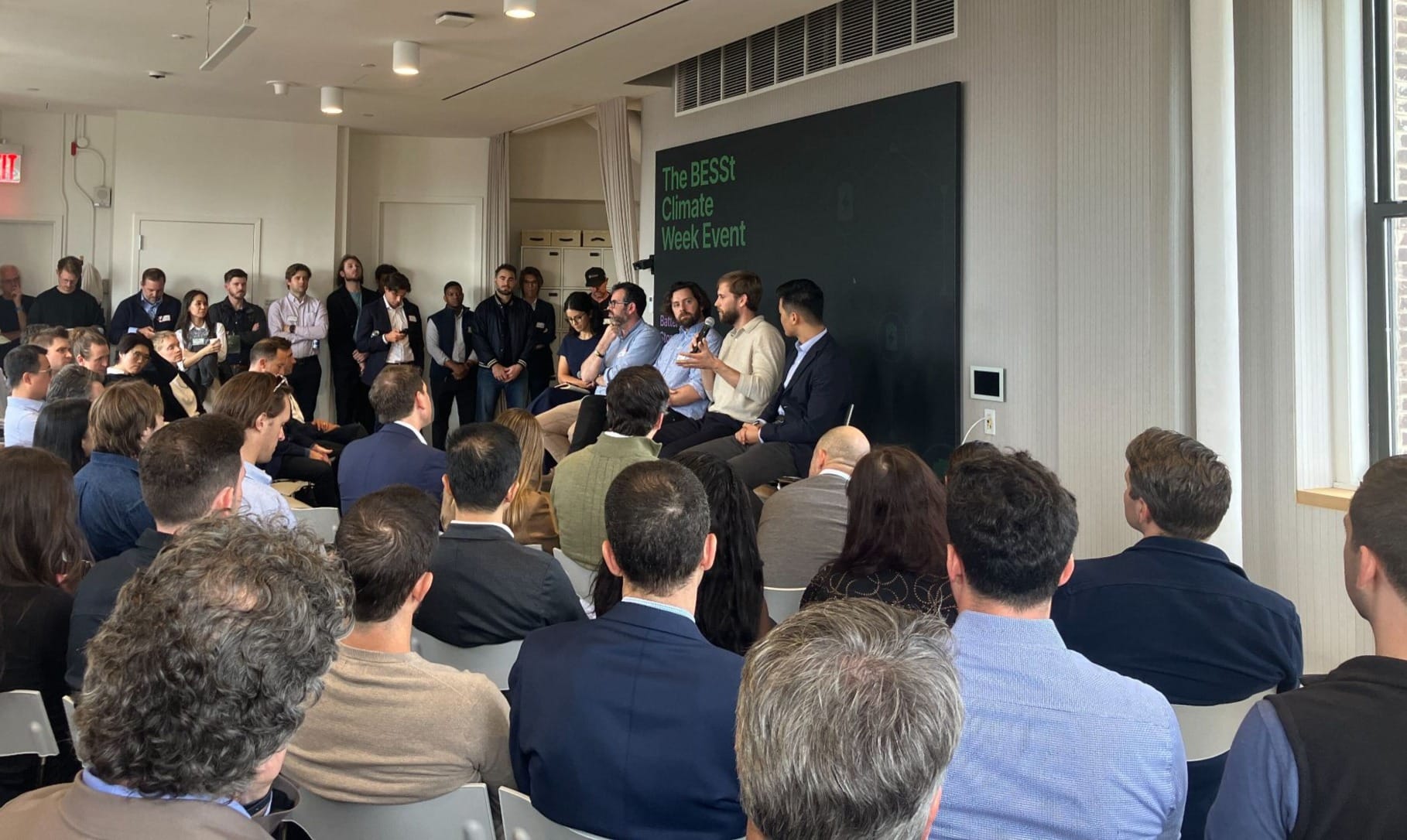
Last year, lots of big tech decision-makers stayed behind closed doors at invite-only sessions. This year, Google, Oracle, and peers showed up on panels to talk through how they build. Hyperscalers moved from PPAs to equity stakes, storage, and acquisitions. When 100-week switchgear lead times threatened Crusoe's ~1.2 GW Abilene campus, the company built its own modular data center product, and a fix it found for grid oscillations from hundreds of thousands of chips firing in unison is now required by ERCOT for large loads.
Behind-the-meter gas still garnered skepticism, with panelists noting a so-called bridge plant built to run 40 years hardly counts as a bridge. On the compute side, tokens per second per megawatt is emerging as the industry's North Star as AI shifts from training to inference. And with hardware specs still changing every two weeks mid-construction, builders said optionality has to be designed in from day one.
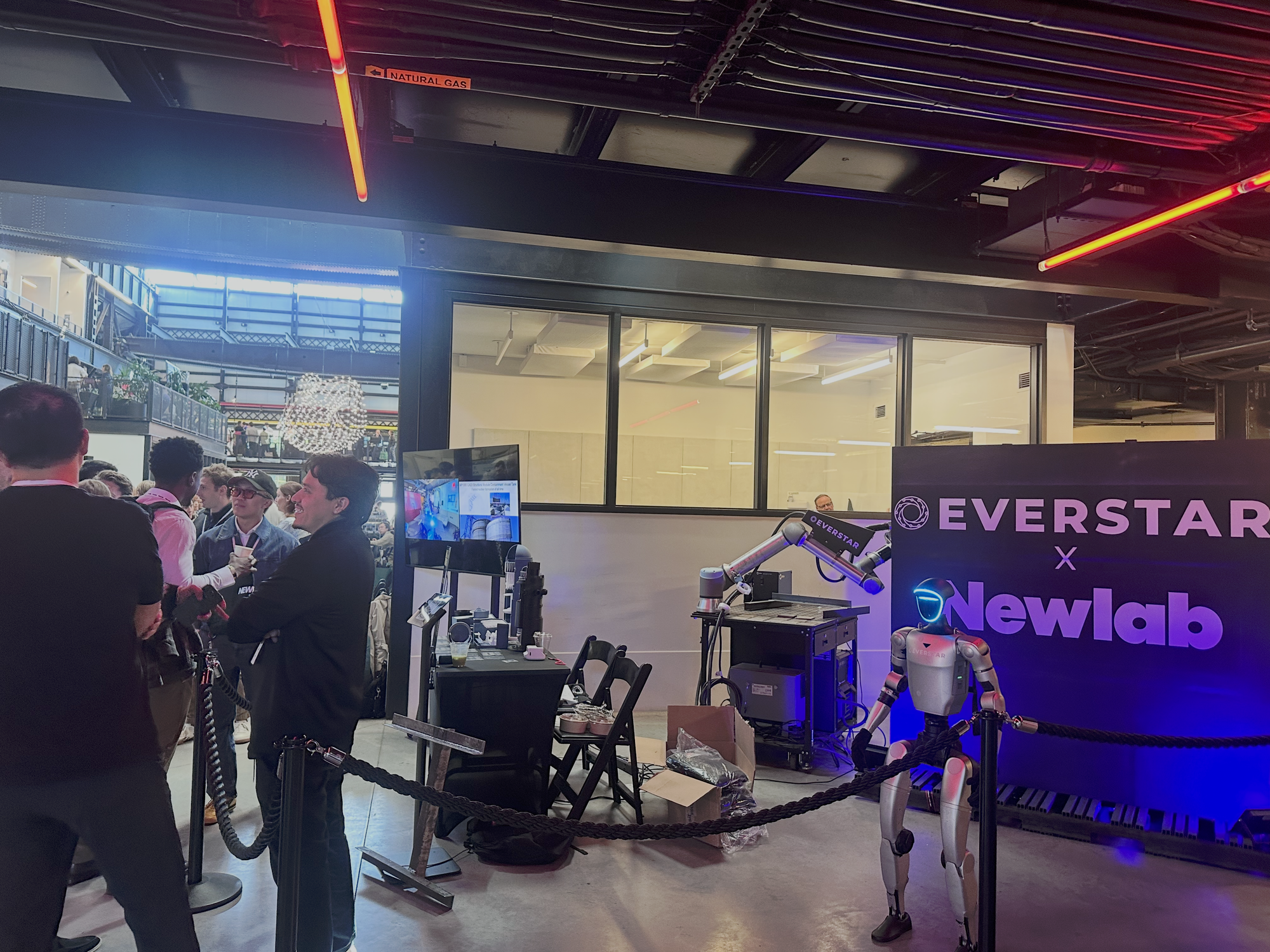
But one of the biggest bottlenecks will be workforce, with a US shortage of roughly 500,000 skilled trade workers. And even though we saw lots of physical AI, if you're waiting on robots to fill the gap, one speaker put construction-grade dexterity at least 15 years out.
What we heard:
Last year, uncertainty hung over every conversation. This year felt far more dynamic, and in parts of energy, public market activity felt reminiscent of 2021, even as SB Energy's IPO slipped the same week. A new class of hybrid debt and equity is emerging for projects that need cash for interconnection deposits, one of the earliest and least financeable development costs. And venture still runs on relationships: one investor said their firm averages about 24 months of contact with founders before writing a check.
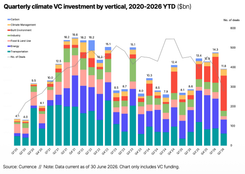
The catch is that the money is following the megawatts. The WSJ’s take on the week, using Currence data, said that climate tech VCs are zeroing in on powering AI over cutting emissions.
"Climate" took a back seat in the branding again. But a lot is just under different names, like energy security and resilience. Critical minerals came up constantly, especially for grid and battery supply chains.
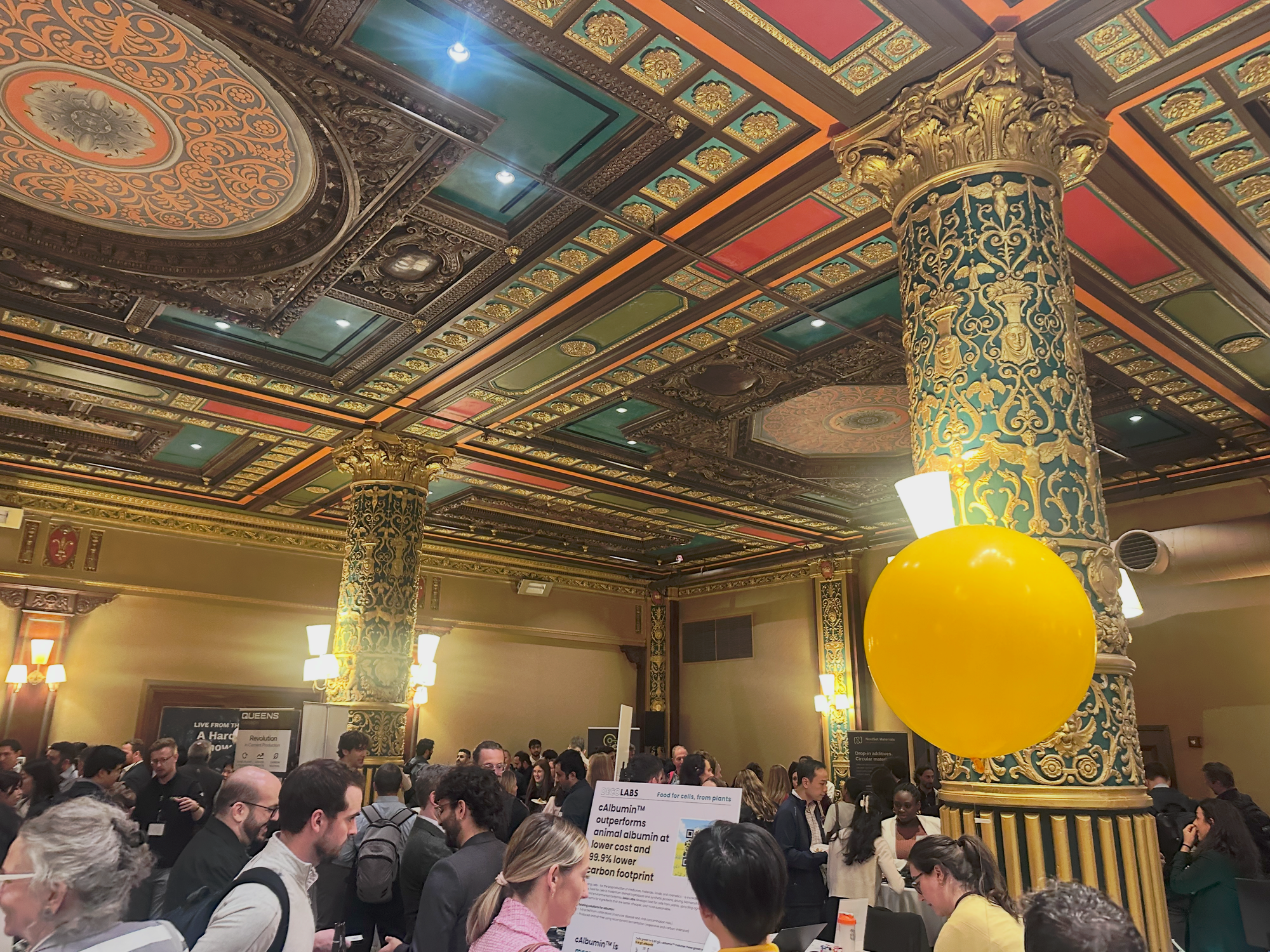
The stages were relatively quieter on carbon and industrial decarb, but the demo floors told a different story, with plenty of modular industrial decarb pitched as resilience, plus lots of batteries and advanced materials. At Activate's hard tech showcase and Newlab's New Climate Futures, we saw plenty of modular industrial decarb pitched as resilience, from ammonia-to-power solutions and modular carbon removal solvents, plus lots of batteries and advanced materials.
What we heard:
Adaptation turned up across the week, from wearable cooling tech on demo floors to dedicated roundtables on extreme weather and resilience. At Newlab, we even spotted a machine that trims trees near transmission lines, so utilities can manage wildfire and blackout risk without sending climbers up to dangerous heights.
Of course, there was a much-discussed data center angle, too. Up to 80% of data center projects globally are exposed to hazards like drought, floods, and fires, according to First Street, and regulators, investors, and insurers have started asking developers sharper questions about physical risk and power resilience, meaning how fast a site recovers and what happens while it's down.
The category definition is still being written, but expect adaptation to take center stage next year.
🏠 Verda, a Helsinki, Finland-based AI cloud service provider operating on renewable energy, raised $189m in Series B funding from Emergence Capital, 6 Degrees Capital, byFounders, ENDUR, Lifeline Ventures, and other investors.
🛰️ Rainmaker, an El Segundo, CA-based cloud seeding technology developer, raised $100m in Series B funding from DCVC, Dream Ventures, Lowercarbon Capital, noa, and Upfront Ventures.
🛵 Ultraviolette Automotive, a Bengaluru, India-based electric motorcycle manufacturer, raised $85m in Growth funding from TDK Ventures, Yali Capital, and Lip-Bu Tan.
⚡ Amber Electric, a Melbourne, Australia-based home battery and EV energy flexibility platform, raised $56m in Growth funding from Morgan Stanley Investment Management, E.ON, ETF Partners, and Innovation Victoria.
⚡ StandardX, a London, England-based builder of isotope refining machines, raised $13m in Seed funding from Vsquared Ventures, East X Ventures, Brevan Howard, Firstminute Capital, Geometry, and other investors.
🏗️ Cura Climate, a Calgary, Canada-based developer of electrochemical cement decarbonization technology, raised $10m in Pre-seed funding from Zacua Ventures, Amplify Capital, Sandpiper Ventures, and Vantage Futures.
⚡ Metris Energy, a London, England-based AI-powered renewable energy asset management platform, raised $5m in Seed funding from AENU, Blackfinch Ventures, Octopus Ventures, PT1, Love Ventures, and Plug and Play Ventures.
💨 Xpansiv, a New York City, NY-based carbon credit and renewable energy certificate market operator, raised an undisclosed amount in Growth funding from Verdane.
🏗️ EnviCore, a Calgary, Canada-based cement alternative materials developer, raised an undisclosed amount in Seed funding from CRH Ventures.
🔋 GridStor, a Portland, OR-based battery energy storage systems developer, raised $220m in PF Debt funding from ING Capital, KeyBank, and Zions Capital Markets.
♻️ Metycle, a Köln, Germany-based vertically integrated secondary copper and aluminum supplier, raised $150m in Debt funding from Rivonia Road Capital.
💨 Vaulted Deep, a Houston, TX-based organic waste deep-injection and carbon removal developer, raised $35m in Debt funding from Mediobanca.
⚡ Newcleo, a Paris, France-based small modular nuclear reactor developer, closed its SPAC merger with NewHold Investment Corp. III, raising $247m.
⚡ ONE Nuclear Energy, a West Palm Beach, FL-based advanced nuclear and gas developer, closed a SPAC merger with Hennessy Capital Investment Corp. VII.
🚗 Hero Motors Limited, a Gurugram, India-based automotive components and EV solutions manufacturer, went public via IPO, raising $63m.
🏛️ Commonweal Ventures, a New York, NY-based VC firm, closed $51m for its Fund II to back pre-seed and seed-stage startups where government is a customer, regulator or market maker, across energy, manufacturing, defense, healthcare and public safety.
🌍 Blue Earth Capital, a Zug, Switzerland-based impact investor, raised over $200m for its Impact Secondaries Strategy from Builders Vision, iAlumbra Capital, and Sonen Capital.
🔋 Energy Revolution Ventures, a London, UK-based VC firm, closed $13.5m in the first close of its ERV Fund II, targeting $50m, from Centrica.
🌱 BlueOrchard, a Zurich, Switzerland-based impact investment manager, closed $250m in the first close of its BlueOrchard Climate Action Mobilisation Fund.
This is a sample of deals available for Currence clients. Can’t get enough deals?
📅 Yotta 2026: We’ll be in Las Vegas from 28-30 September at the biggest AI infrastructure conference of the year. With 6,000+ leaders across data centers, energy, compute, and capital, the conference is bringing industry leaders together to solve the cross-stack challenge of sustainable, scalable growth in the age of AI. Use code CURRENCE20 for 20% off passes
💡 AWS Compute for Climate Fellowship 2026: AWS and the International Research Centre on AI (IRCAI) run a global R&D funding program that empowers climate and energy technology startups to use advanced cloud computing and artificial intelligence to address climate change and accelerate the clean-energy transition. Open globally, non-dilutive. Apply by September 30.
💡NextCorps Manufacturing Accelerator: A free, nine-week virtual program out of Rochester, NY. The accelerator can help speed product commercialization, mentoring, and an ecosystem of accelerators, funders, manufacturers, and technical experts. Info session Sept 23; program starts Oct 7. Apply by September 30.
💡 Climate Resilience Awards for Business 2026: WBCSD and the Global Resilience Partnership's awards recognizing measurable adaptation and resilience action across four categories: climate-proof infrastructure, water stewardship, agriculture and food systems, and protecting people. Open to companies of any size and geography. Apply by September 30.
📅 Battery Energy Storage System: A free virtual workshop by IREC and SEAC on BESS permitting for building/fire departments, installers, and manufacturers, including UL 9540/9540A standards. Oct 7, 12pm ET.
US Enterprise Sales Director @Eztia
Founding Customer Success Manager, Marketing Intern, Senior Account Executive @Currence
Director of Growth & Giving @Elemental Impact
📩 Feel free to send us deals, announcements, or anything else at [email protected]. Have a great week ahead!

 Newsletter